Learning Design
We believe that learning to be, learning to do, and learning to learn are more important than learning to know.
21st Century Learning
- 1
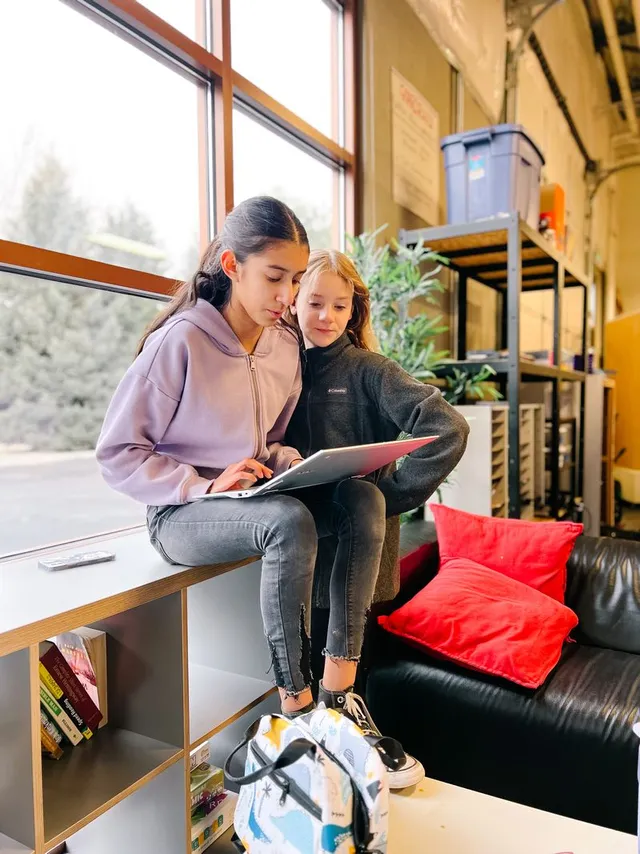
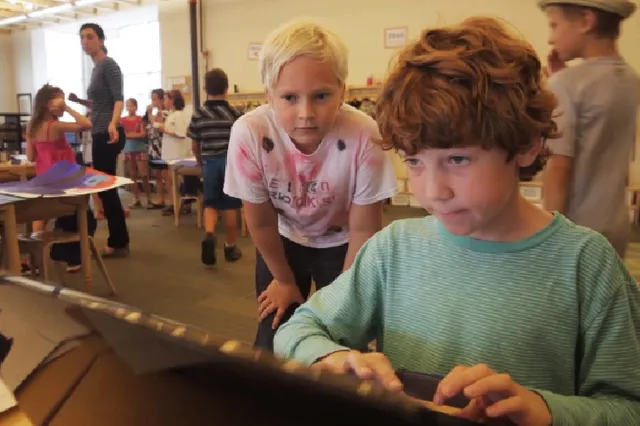
The latest in educational technology for self paced mastery of reading, writing and math skills.
- 2
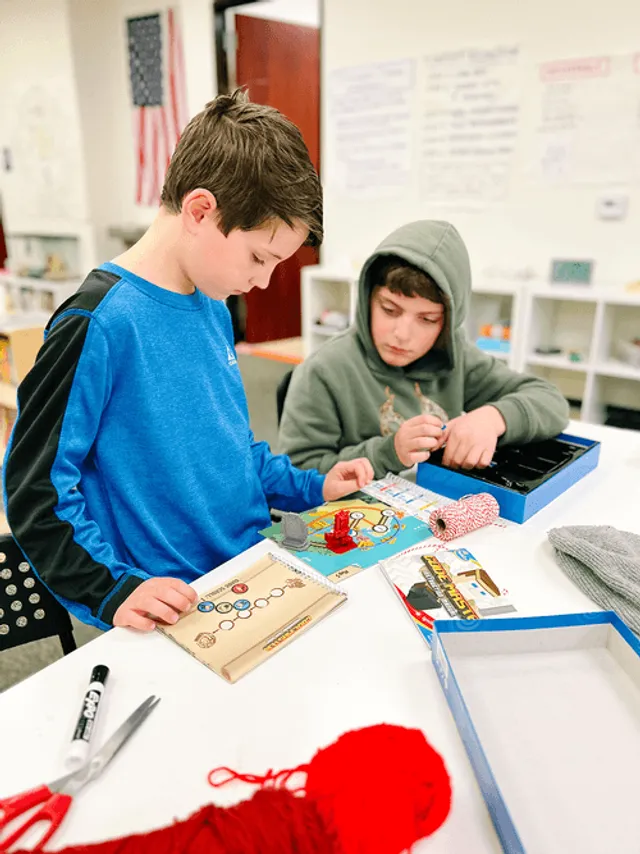
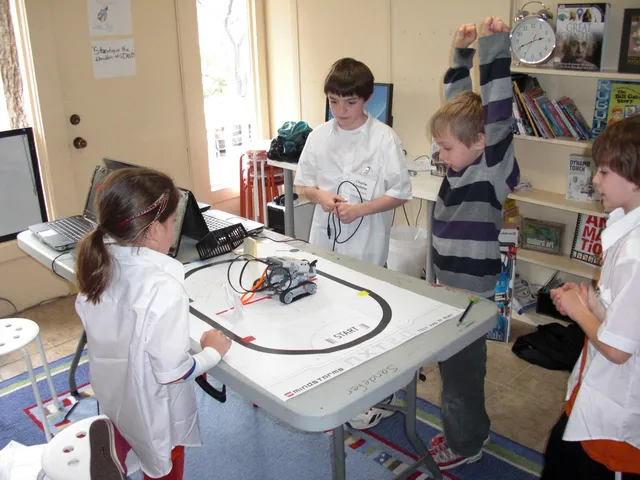
Hands-on project based quests to master the tools and skills needed to solve problems in the real world.
- 3
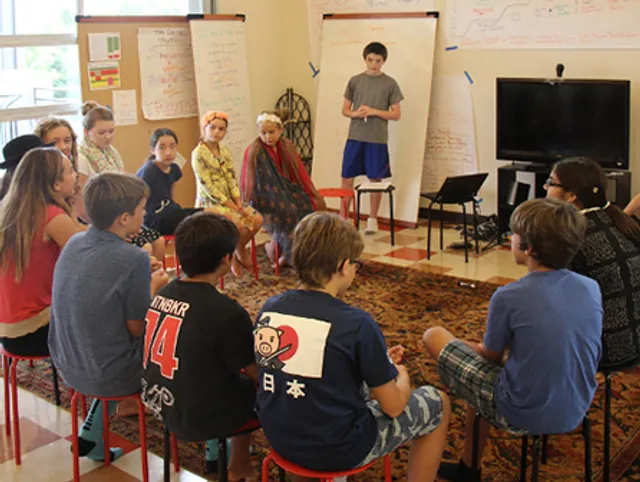
Deep Socratic discussions about heroes, history and self-governance to hone critical thinking skills and the ability to powerfully think, write and speak.
- 4
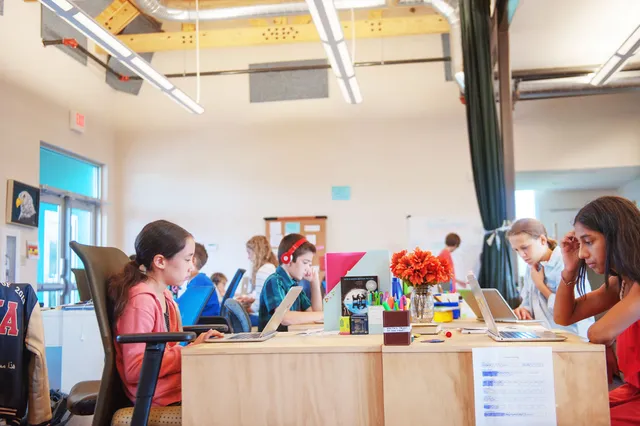
Professional tools for art, engineering, tech and storytelling in place of worksheets and busy work.
- 5
Written promises and covenants that form a tightly bound community of individuals learning to form authentic friendships and honestly resolve interpersonal problems.
Three Types of Learning
Learning to Learn
Young people don't just learn information. They learn how to learn. By building strong habits, asking meaningful questions, and taking ownership of their education, learning becomes deeper, faster, and more joyful. Curiosity isn't something we teach. It's something we protect.
Learning to Do
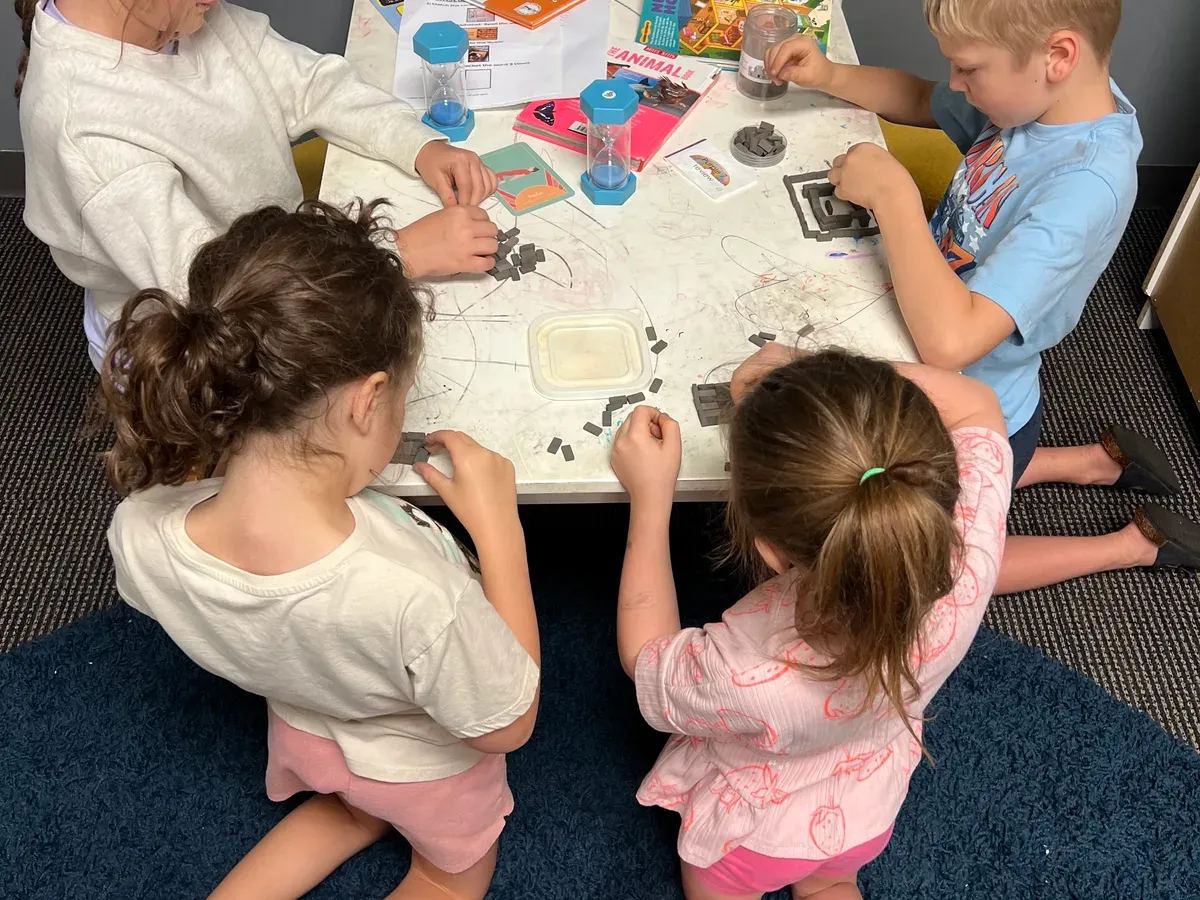
Children learn best by doing. Instead of spending their days listening to lectures or completing endless worksheets, learners tackle hands-on Quests, solve real problems, collaborate with others, and create meaningful work. Along the way, they develop practical skills, confidence, and discover what excites them.
Learning to Be
Perhaps the most important learning happens within. Every learner faces challenges like frustration, fear of failure, distractions, conflict, and self doubt. Through daily practice, they build courage, resilience, responsibility, and the confidence to see themselves as the heroes of their own journey.
Measuring Growth
Growth at Acton isn't measured by report cards alone. Learners demonstrate progress by mastering real skills, building strong character, and sharing meaningful work with others.
- 1
Mastery Badges
Learners earn badges as they demonstrate mastery in Core Skills like reading, writing, math, and spelling, while also growing in character through Servant Leader Badges.
- 2
Public Exhibitions
Every four to six weeks, learners showcase what they've created, solved, and discovered during their Quests, giving families a window into authentic learning.
- 3
Self-Governance & Reflection
Learners regularly reflect on their own growth and receive peer feedback, building accountability, leadership, and the ability to give and receive constructive feedback.
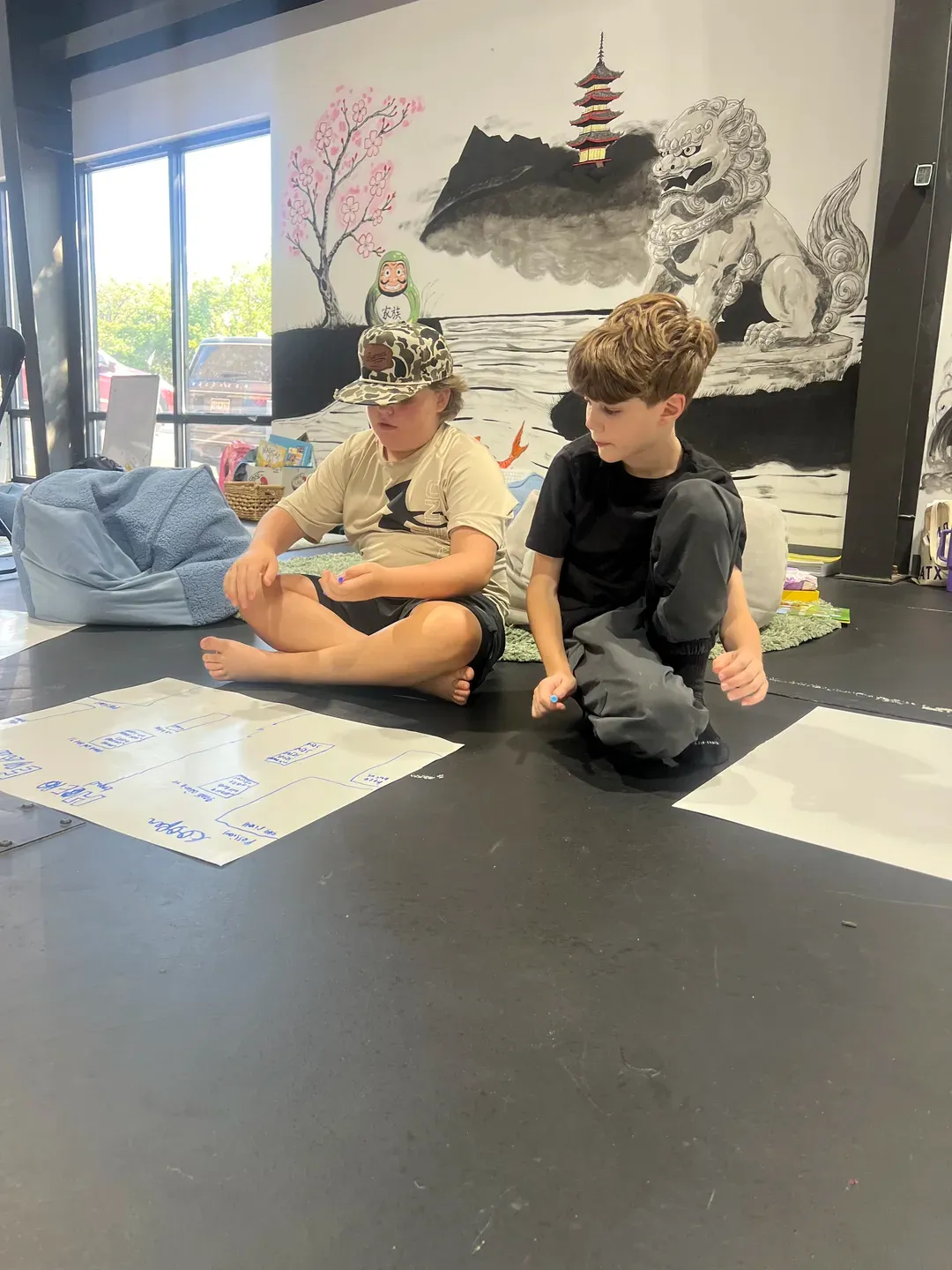
Young entrepreneurs launch real businesses and experience what it takes to turn an idea into reality.
Watch the video to see our Children's Business Fair in action.

Hear from Acton Academy Greenville learners who launched successful businesses
Our Educational Philosophy
We believe clear thinking leads to good decisions, good decisions lead to the right habits, the right habits forge character, and character determines destiny.